
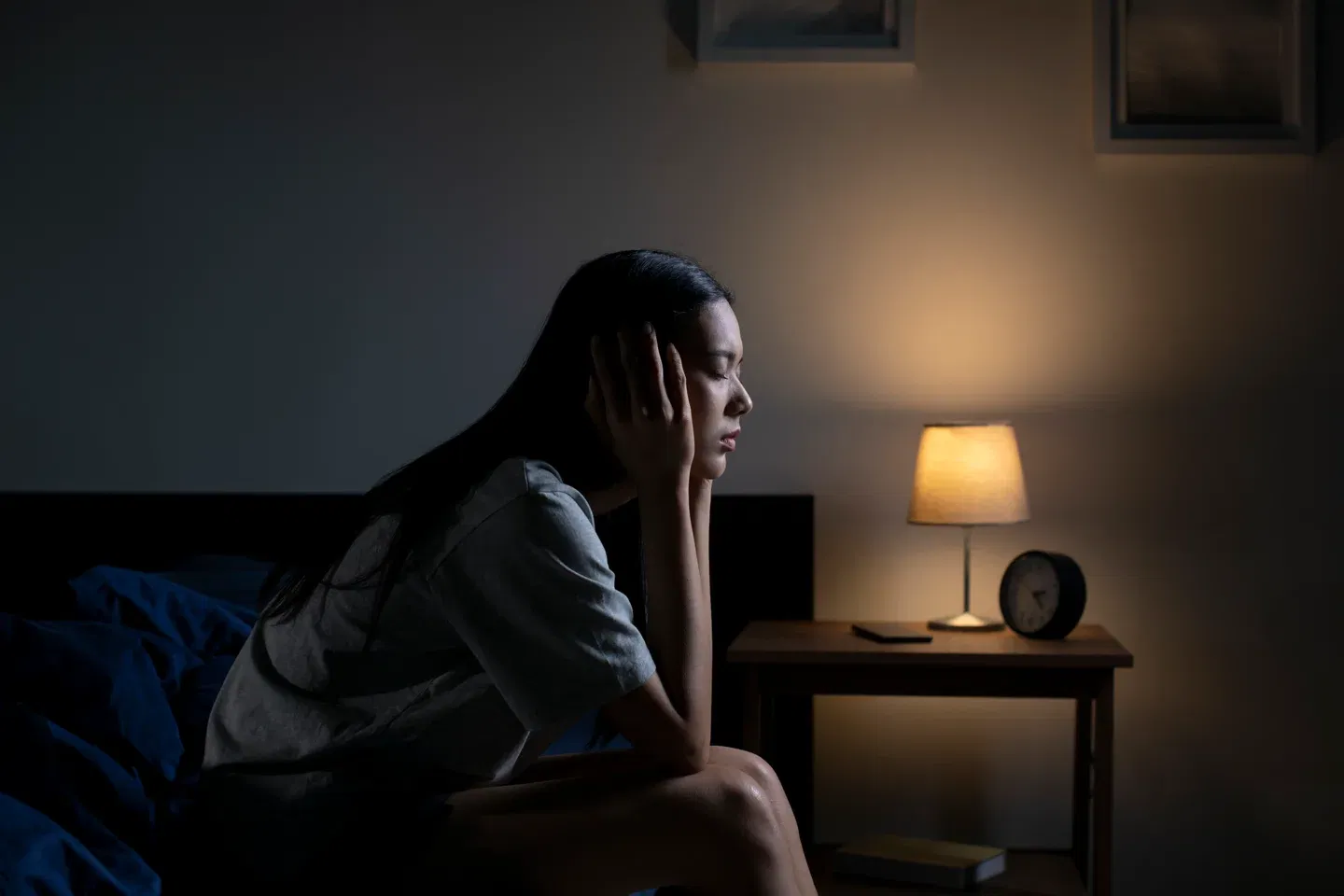

Sleep shouldn’t feel this complicated.
Many people follow best practices, track their nights, and still feel a gap between data and experience.
Sleep is tracked, scored, and analyzed more than ever; yet a sense of real recovery often feels harder to define.
That disconnect is real.
The problem
Fact
Research in behavioral science suggests that when experiences are turned into numbers, people tend to trust metrics over personal perception - especially for subjective states like rest, stress, and energy.
So instead of asking: “How do I feel?”
People increasingly ask: “What did my sleep score say?”
Even when the numbers look “good,” experience doesn’t always align.
Why this matters
Sleep has quietly become performative.
Something to check
Something to evaluate
Something to optimize
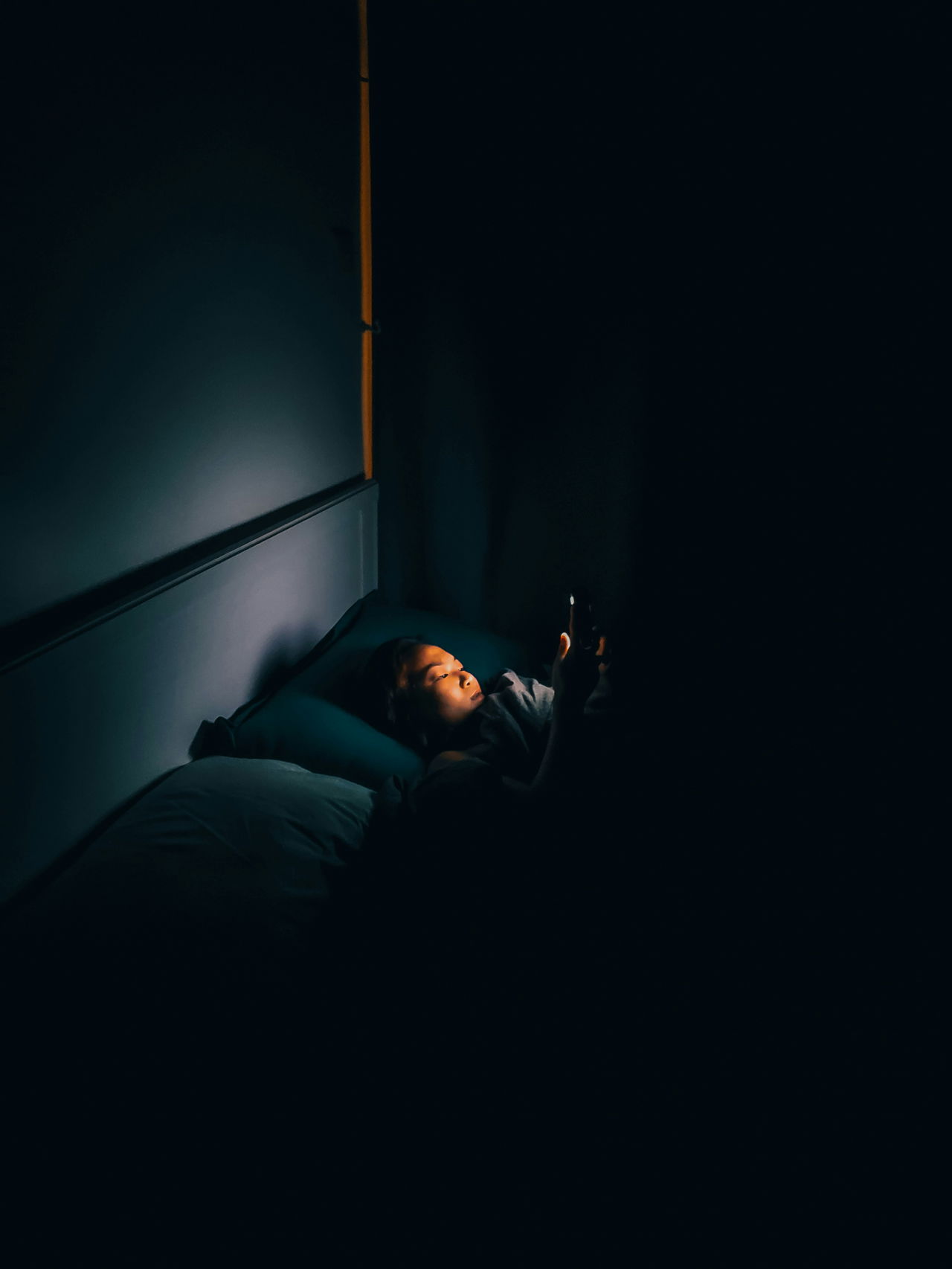
Studies in social science suggest that when recovery is treated as a performance, it may become more fragile instead of more reliable.
Rest can start to feel conditional rather than intuitive.
That’s the problem we’re focused on.
DUSQ is preparing for an early launch.
More Soon.
Coming Soon
If modern sleep culture has ever felt overly technical, disconnected, or difficult to interpret, you’re not alone.